
First impressions matter, and a well‑crafted brochure can be the catalyst that turns a casual glance into a lasting connection. Whether you’re promoting a new product, showcasing services, or sharing event details, a professional brochure blends visual appeal with persuasive messaging to capture attention and drive action. In this guide, we’ll walk you through every stage of the process—from defining purpose to printing the final piece—so you can create brochures that not only look stunning but also deliver measurable results.
Understanding the Purpose of Your Brochure
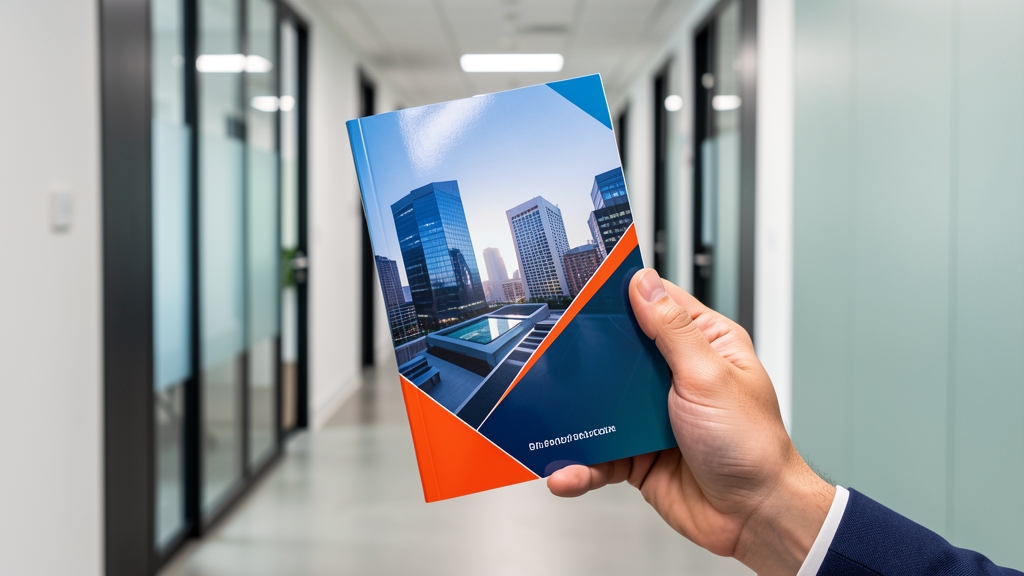
Before you open a design program, clarify the core objective of your brochure. Are you aiming to generate leads, educate prospects, or simply reinforce brand awareness? Defining a clear purpose shapes every subsequent decision, from tone of voice to visual hierarchy, ensuring the final product speaks directly to the intended audience.
Consider the journey you want readers to take. A sales‑focused brochure might prioritize bold calls‑to‑action and product highlights, while an informational piece could emphasize easy‑to‑digest sections and supportive graphics. Aligning purpose with audience expectations sets a solid foundation for a compelling design.
Planning Content and Layout

Effective brochures balance concise copy with strategic layout. Start by mapping out the information hierarchy: headline, sub‑headings, key benefits, and supporting details. Sketch wireframes on paper or a whiteboard to visualize flow before committing to digital tools. This early planning prevents clutter and guides readers naturally through the content.
Choose a layout that complements your message—tri‑fold for a narrative journey, bi‑fold for a bold visual impact, or a single‑page flyer for quick reads. Remember to leave ample white space; it enhances readability and gives your design breathing room, making each element stand out.
Choosing the Right Paper and Finish
The tactile experience of a brochure can reinforce brand perception just as much as the visual design. Select paper stock that matches your brand personality: a thick, matte finish conveys elegance and sustainability, while a glossy coating adds vibrancy and a premium feel. Consider weight, texture, and color to ensure the final product feels as good as it looks.
Special finishes like spot UV, embossing, or foil stamping can highlight key elements such as logos or headlines, adding a subtle yet memorable touch. Sampling different options before a full print run helps you make informed decisions that align with budget and aesthetic goals.
Designing with Brand Consistency

Consistency is the silent ambassador of your brand. Use your established color palette, typography, and logo placement throughout the brochure to create a cohesive visual identity. Aligning these elements with your broader brand guidelines ensures the brochure feels like a natural extension of your marketing ecosystem.
Incorporate high‑resolution images that reflect your brand’s voice—whether it’s vibrant lifestyle photography or refined product shots. Balance visual elements with negative space, and maintain a clear hierarchy so readers can quickly locate essential information without feeling overwhelmed.
Crafting Compelling Copy

Words are the bridge between design and persuasion. Write headlines that grab attention within seconds, using action verbs and clear benefits. Follow with concise paragraphs that answer the reader’s “what’s in it for me?” question, and break up text with bullet points for easy scanning.
Maintain a consistent tone that mirrors your brand—professional, friendly, or innovative—while ensuring readability. Incorporate a strong call‑to‑action that tells the reader exactly what to do next, whether it’s visiting a website, calling a number, or attending an event.
Printing, Proofing, and Distribution
Once design and copy are finalized, the printing stage begins. Request a proof—digital or physical—to catch any color shifts, typos, or layout issues before the full run. This quality check is vital for maintaining professionalism and avoiding costly reprints.
Plan distribution strategically: direct mail, trade shows, retail locations, or partner networks. Tailor the quantity to each channel’s reach, and track performance with unique QR codes or custom URLs. A well‑executed distribution plan maximizes the ROI of your brochure investment.
Creating a professional brochure is both an art and a science, blending purposeful strategy, thoughtful design, and meticulous execution. By following these steps, you’ll produce a brochure that not only looks polished but also drives real results for your business. Ready to bring your vision to life? Try DesignStager’s AI‑powered templates and collaborative tools to streamline the design process and unleash your creativity today.
References & Further Reading
- Brochure — Wikipedia
Overview of brochure types, purposes, and history. - How To Design A Brochure That Sells — Forbes
Expert advice on planning content, layout, and brand consistency for effective brochures.