
Stepping into the world of graphic design can feel like opening a massive toolbox without a guide. The sheer number of fonts, color palettes, tutorials, and inspiration sources can overwhelm even the most enthusiastic newcomer. Fortunately, you don’t have to reinvent the wheel—there are curated resources that simplify learning and boost creativity. In this guide, we’ll explore the most valuable graphic design resources for beginners, each chosen to help you build solid fundamentals while keeping the process fun and affordable.
Free Font Libraries
Typography sets the tone for any design, and accessing quality fonts shouldn’t break the bank. Websites like Google Fonts, Font Squirrel, and DaFont offer thousands of free, commercial‑ready typefaces, organized by style, popularity, and language support. By experimenting with different families—serif, sans‑serif, script, and display—you can quickly discover what resonates with your brand or project, and learn how to pair fonts effectively.
When downloading, always check the licensing terms; most fonts on these platforms are open for personal and commercial use, but a few may require attribution. Pairing free fonts with thoughtful spacing and hierarchy can give your work a professional edge without any cost.
Stock Photo Collections

High‑quality imagery is essential for compelling visuals, yet buying stock photos can add up fast. Platforms such as Unsplash, Pexels, and Pixabay provide royalty‑free photos that you can use in commercial projects without attribution. These sites curate collections by theme, color, and mood, making it easy to find images that match your design concept and enhance storytelling.
Beyond photos, many of these resources also include vectors, illustrations, and videos. By leveraging free stock assets, beginners can focus on layout and composition skills while still delivering polished, professional‑looking results.
Color Palette Generators
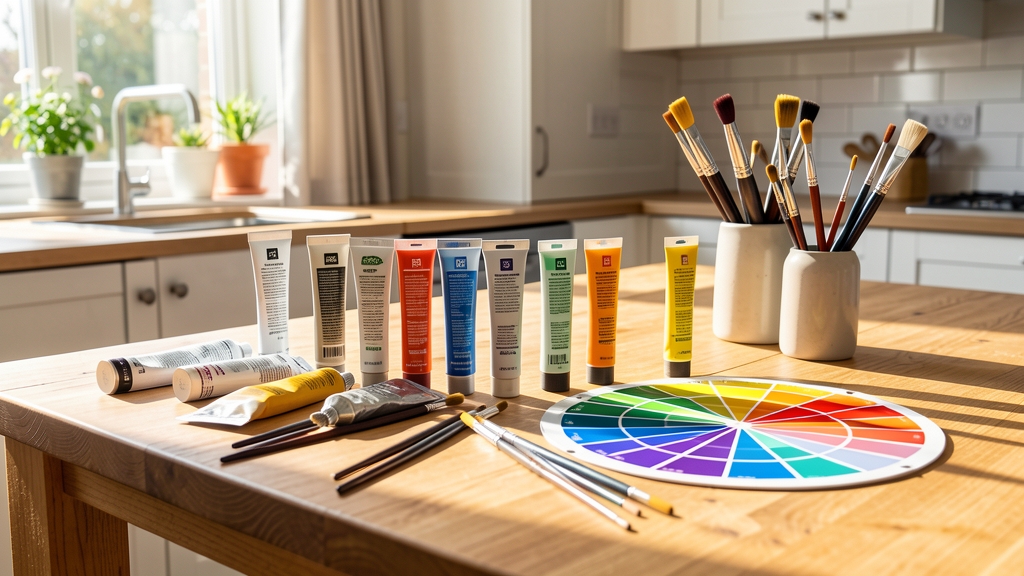
Choosing the right color scheme is often one of the biggest challenges for new designers. Tools like Coolors, Adobe Color, and Paletton let you generate harmonious palettes with a single click, explore trending color combinations, and even extract colors from uploaded images. These generators also provide hex, RGB, and CMYK values, ensuring seamless integration into any design software.
Experimenting with different palettes helps you understand color theory concepts such as complementary, analogous, and triadic schemes. Over time, you’ll develop an intuition for selecting colors that evoke the desired emotional response in your audience.
Design Inspiration Platforms
Seeing what other designers create can spark fresh ideas and guide your own style development. Websites like Behance, Dribbble, and Pinterest act as visual libraries where professionals showcase branding, UI, illustration, and print work. By following curated boards or specific creators, you can stay up‑to‑date with industry trends and discover techniques you hadn’t considered.
When browsing, take notes on layout structures, typography pairings, and color usage that catch your eye. Replicating these elements in practice projects helps cement new skills and builds a personal design vocabulary.
Online Tutorials & Courses
Structured learning accelerates skill acquisition, and there are countless free and low‑cost courses tailored for beginners. Platforms such as Coursera, Skillshare, and YouTube host tutorials covering Adobe Creative Cloud basics, vector illustration, and layout principles. Many courses include downloadable assets and hands‑on assignments that let you apply concepts immediately.
Supplement video lessons with practice challenges—like redesigning a poster or creating a social media graphic—to reinforce learning. Consistent practice, combined with feedback from instructors or peers, turns theoretical knowledge into tangible competence.
Community & Feedback Forums

Receiving constructive criticism is vital for growth, and online communities provide a supportive environment for sharing work. Subreddits like r/graphic_design, Discord design servers, and forums such as Graphic Design Stack Exchange enable you to post drafts, ask questions, and receive actionable feedback from seasoned designers.
Participating regularly not only improves your own projects but also exposes you to diverse perspectives and problem‑solving approaches. Over time, these interactions build confidence and help you refine a professional eye for detail.
Armed with these curated resources, you can navigate the graphic design landscape with confidence, turning curiosity into competence. Whether you’re crafting a logo, polishing a social post, or exploring typography, the right tools and communities will accelerate your progress. Ready to bring your ideas to life? Dive into DesignStager today, where AI‑powered templates and collaborative features combine with the resources above to streamline your workflow and unleash your creative potential.
References & Further Reading
- List of typefaces — Wikipedia
A comprehensive list of free and commercial fonts useful for beginners. - The Best Free Stock Photo Websites For Designers — Forbes
Highlights top free stock photo collections for design projects. - 30 Free Color Palette Generators for Designers — HubSpot
Curates popular color palette generator tools for beginners. - Design Inspiration Platforms You Should Know — TechCrunch
Reviews platforms that provide fresh design ideas for newcomers. - Graphic Design Courses – Harvard Online Learning — Harvard
Offers free and paid online tutorials and courses for graphic design beginners.