
Designers thrive on fresh visuals, but generating high‑quality imagery can be time‑consuming and costly. Today’s AI image generators turn a simple prompt into a polished asset in seconds, freeing you to focus on concept and composition. In this guide we explore the top tools, their strengths, and how to match them to a designer’s workflow.
What Designers Need from AI Image Generators
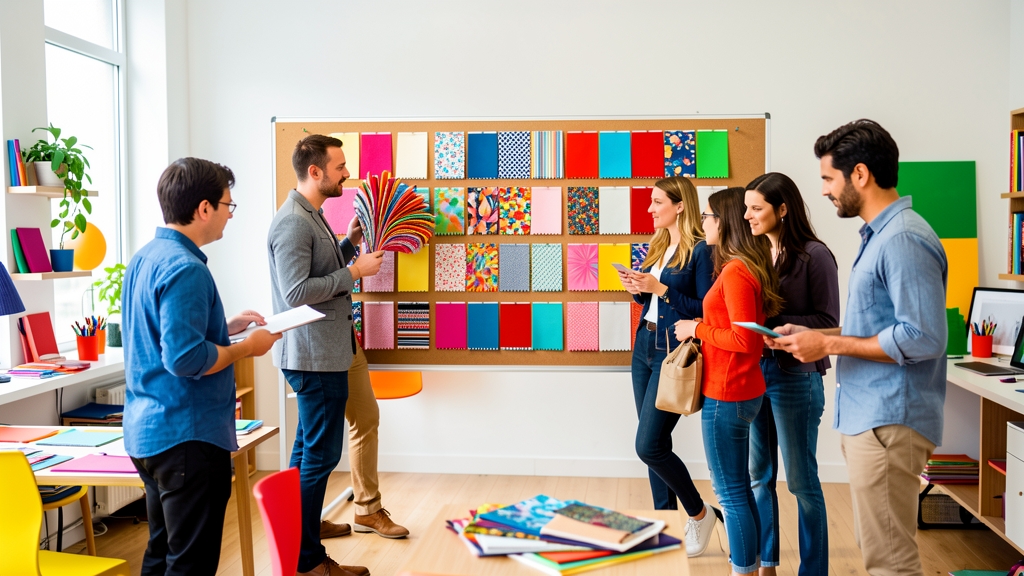
Speed, style control, and reliable licensing are the three pillars designers look for when adopting AI tools. A fast turnaround lets you iterate during brainstorming sessions, while nuanced style parameters ensure the output aligns with brand guidelines or project aesthetics.
Equally important is clear usage rights; designers must know whether generated images can be sold, modified, or used in commercial campaigns without legal friction. Tools that provide transparent licensing and export options integrate smoothly into existing design pipelines.
Midjourney – Creative Powerhouse
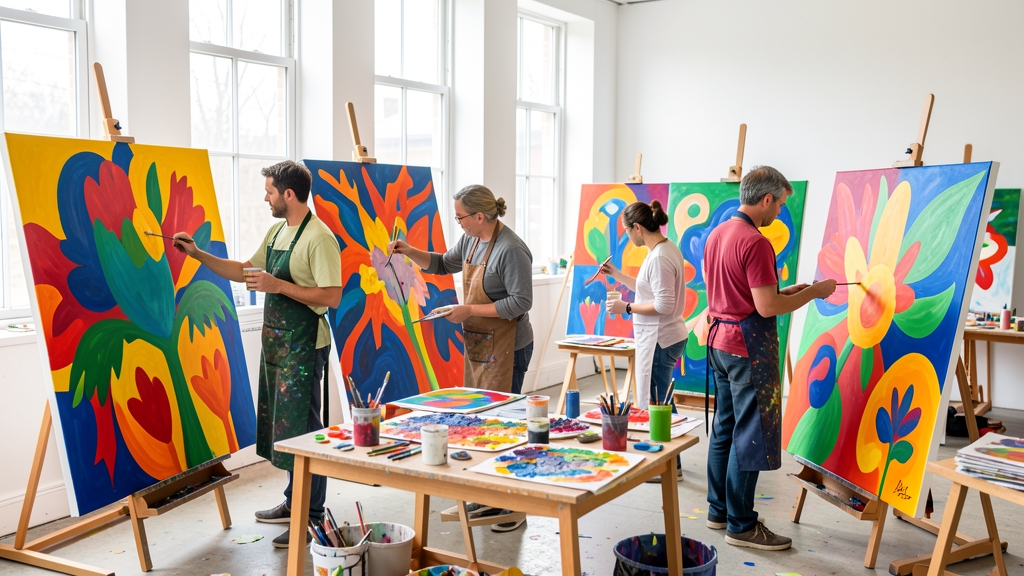
Midjourney excels at producing imaginative, high‑impact visuals that feel hand‑crafted. Its community‑driven prompt language encourages experimentation, yielding striking compositions ideal for mood boards, concept art, and bold advertising concepts.
While it operates via a Discord bot, the learning curve is modest, and the subscription model offers unlimited generations for a predictable cost. Designers appreciate the ability to tweak parameters like chaos and stylize to fine‑tune the artistic intensity.
DALL·E 3 – Versatile and User‑Friendly

DALL·E 3 combines ease of use with impressive fidelity, making it a go‑to for quick mock‑ups and detailed illustrations. Its text‑to‑image engine understands nuanced language, allowing designers to describe exact lighting, perspective, and color palettes.
The integrated editor lets you edit specific regions, add elements, or remove unwanted details without leaving the platform. With a pay‑as‑you‑go pricing structure, it scales well for freelancers and agencies alike.
Stable Diffusion – Open‑Source Flexibility

Stable Diffusion offers unparalleled customization through open‑source models that can be fine‑tuned on proprietary datasets. This flexibility empowers design studios to create brand‑specific generators that produce consistent visual language across campaigns.
Because it runs locally or on private clouds, data privacy is guaranteed—a critical factor for agencies handling confidential client material. Though setup requires technical expertise, the long‑term cost savings and creative control are compelling for power users.
Choosing the Right Tool for Your Workflow

Match the tool to your project’s demands: use Midjourney for high‑concept exploration, DALL·E 3 for rapid prototyping, and Stable Diffusion when you need brand‑specific consistency and data security. Consider team size, budget, and the need for collaborative features when deciding.
Integrating AI outputs with traditional design software—like Photoshop or Figma—creates a seamless pipeline. Test each platform with a short brief, evaluate output quality, licensing, and cost, then adopt the one that best amplifies your creative process.
AI image generators are reshaping how designers visualize ideas, offering speed, variety, and new creative horizons. Explore the tools above, experiment with prompts, and let the technology amplify your artistry. Ready to bring AI‑enhanced visuals into your presentations? Try DesignStager’s AI‑powered templates today and turn concepts into compelling stories faster than ever.