
In today’s fast‑paced digital world, a well‑crafted marketing video can be the difference between a fleeting glance and a lasting impression. Whether you’re promoting a new product, telling your brand story, or driving traffic to a landing page, the right video engages emotions, builds trust, and sparks action. This guide walks you through every stage—from concept to distribution—so you can produce professional marketing videos that resonate and convert.
Define Your Goal and Audience

Before you roll any footage, clarify the primary objective of your video. Are you aiming to generate leads, increase brand awareness, explain a complex service, or boost sales? A clear goal shapes every creative decision and provides a measurable benchmark for success.
Next, pinpoint who you’re speaking to. Develop detailed buyer personas that capture demographics, pain points, and preferred communication styles. Understanding your audience ensures your message hits the right tone, language, and visual cues, making the final video feel personal rather than generic.
Craft a Compelling Storyboard

A storyboard is the visual blueprint of your video. Sketch each scene, note key actions, dialogue, and transitions. This step transforms abstract ideas into a concrete flow, helping you spot gaps or redundancies early on.
Focus on storytelling principles: introduce a relatable problem, present your solution, and end with a clear call to action. By mapping emotions and pacing, you keep viewers hooked from the opening frame to the final fade‑out.
Choose the Right Visual Style
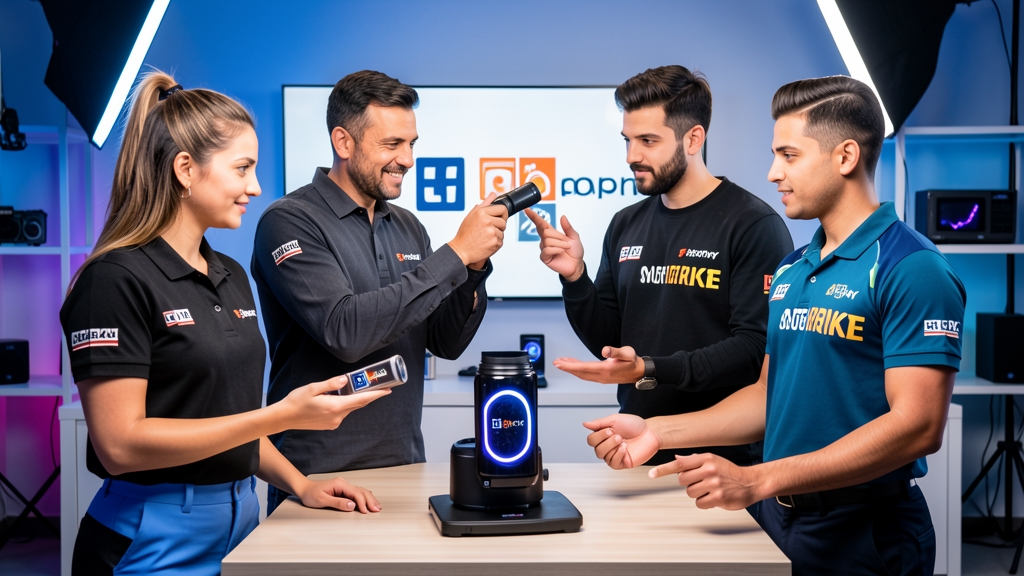
The visual style should echo your brand personality. Decide whether a sleek cinematic look, a vibrant animated sequence, or a candid documentary feel best serves your message. Color palettes, framing, and movement all reinforce brand identity.
Consider the medium where the video will live—social feeds, a website hero banner, or a trade‑show screen. Each platform favors different aspect ratios and lengths, so tailor your visual approach accordingly.
Assemble a Skilled Production Team
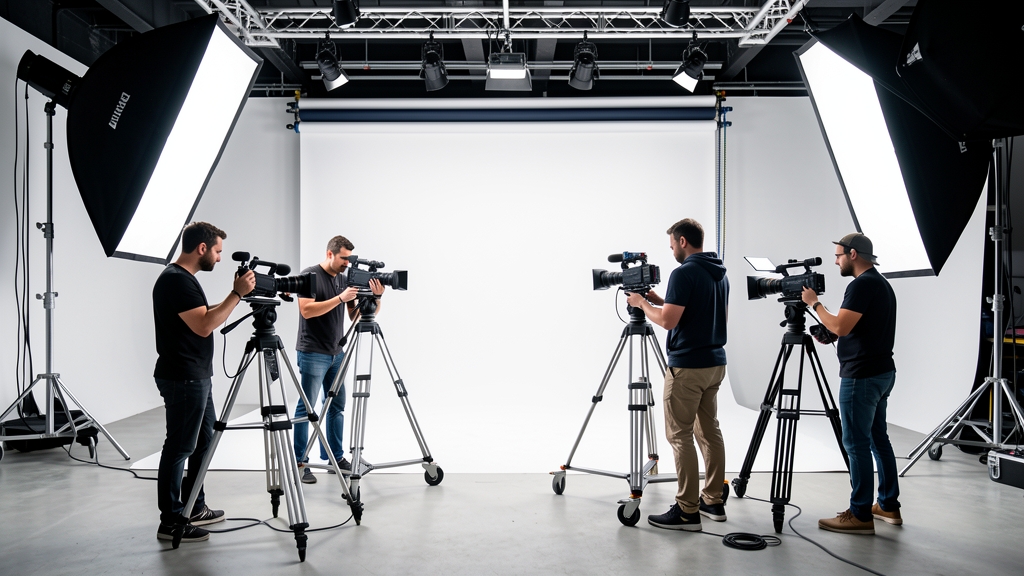
Even the best concept falters without the right talent behind the camera. Hire a director who understands your vision, a cinematographer who can translate it into compelling images, and a sound specialist to capture clean audio.
Don’t overlook support roles: production assistants, makeup artists, and set designers all contribute to a polished final product. Clear communication and a shared brief keep the crew aligned and efficient.
Optimize Lighting and Sound
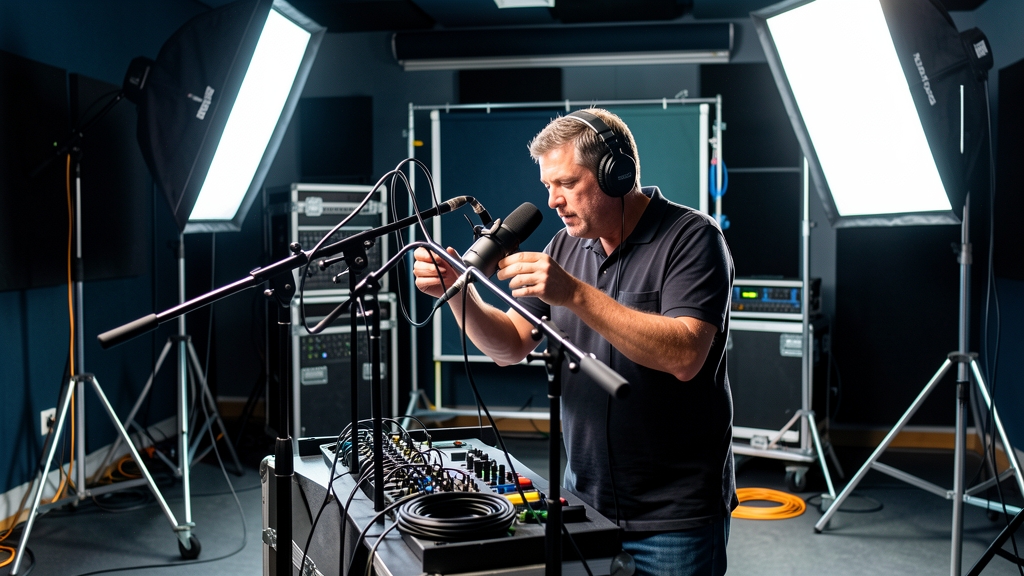
Lighting is the silent storyteller of any video. Use three‑point lighting for interviews, natural light for outdoor scenes, and color gels to evoke mood. Proper exposure prevents unwanted shadows and preserves detail.
Equally vital is sound. Invest in shotgun microphones, lavalier mics, and windshields to eliminate background noise. Clean audio enhances credibility and keeps viewers from disengaging.
Shoot with Professional Techniques
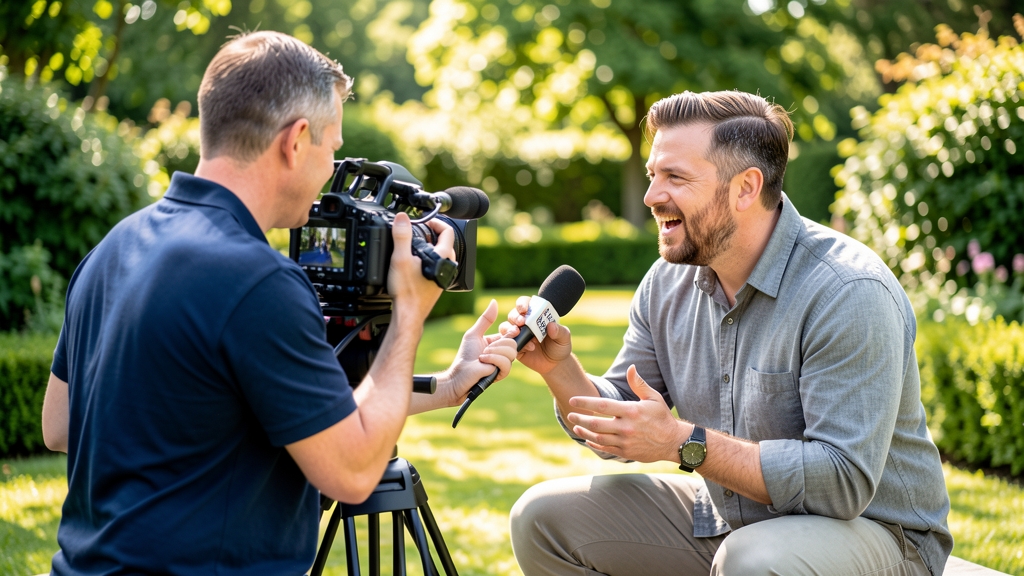
During the shoot, follow the storyboard but stay flexible for spontaneous moments that add authenticity. Use steady shots with tripods or gimbals, and vary angles to create visual interest.
Capture B‑roll footage—close‑ups, establishing shots, and cutaways—that enrich the narrative during editing. Record extra takes of key lines; having options in post‑production prevents awkward pacing.
Edit for Impact and Brand Consistency
Editing is where the story truly comes alive. Begin by assembling a rough cut that follows your storyboard, then refine pacing, transitions, and visual effects to maintain viewer engagement.
Incorporate brand elements—logo placement, signature colors, and typography—consistently throughout. Add royalty‑free music that matches the video’s tone, and ensure subtitles are clear for accessibility and silent‑play environments.
Distribute and Promote Your Video
Even a masterpiece needs strategic placement to reach its audience. Upload the video to the platforms where your target personas spend time—YouTube, LinkedIn, Instagram, or industry forums.
Optimize titles, descriptions, and tags with your focus keyword to improve SEO. Pair the video with email campaigns, blog posts, and paid ads to amplify reach, and monitor analytics to refine future video strategies.
Creating professional marketing videos is a blend of strategy, creativity, and technical expertise. By following these steps, you’ll produce content that not only looks polished but also drives measurable results. Ready to elevate your brand with stunning video assets? Try DesignStager’s AI‑powered templates and collaboration tools to streamline every phase—from storyboard to final export.
References & Further Reading
- Video marketing – Wikipedia — Wikipedia
An overview of video marketing concepts, benefits, and best practices.