
Motion graphics are evolving faster than ever, driven by new tools, audience expectations, and cultural shifts. In 2026, designers will need fresh inspiration to stay ahead, and this guide reveals the trends that will dominate the visual landscape.
Immersive 3D Animation
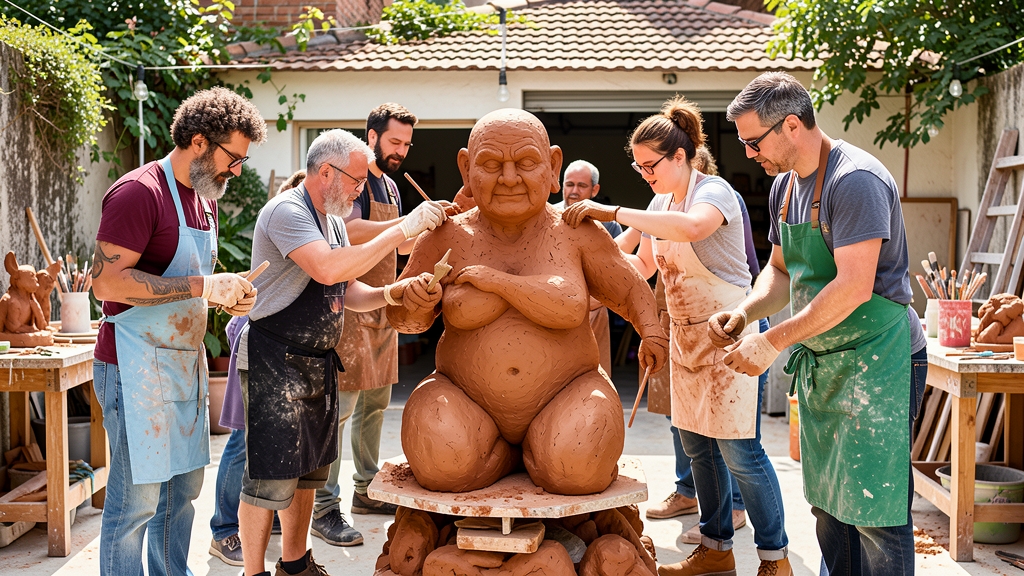
Three‑dimensional animation is moving beyond Hollywood‑level productions into everyday brand content. With affordable real‑time render engines, creators can craft hyper‑realistic environments that react to music, voice, or user input, making videos feel like a portal rather than a flat screen.
Brands are leveraging this depth to build immersive product demos, virtual showrooms, and cinematic ads that capture attention on social platforms where scroll speed is relentless. The key is balancing detail with performance, ensuring the motion stays fluid on mobile devices while still delivering that wow factor.
AI‑Generated Motion Assets

Artificial intelligence is no longer a backstage assistant; it now creates motion assets on demand. Generative models can spin up background loops, particle systems, or even entire character rigs within minutes, freeing designers to focus on storytelling and refinement.
These AI‑crafted elements integrate seamlessly with traditional workflows, allowing rapid prototyping and A/B testing of visual concepts. The result is a faster turnaround time for campaigns and a new creative partnership between human intuition and machine speed.
Sustainable Color Palettes

Eco‑conscious design is influencing color choices as audiences seek authenticity and responsibility. Earthy tones, muted greens, and soft neutrals are paired with occasional bright accents to convey hope without overwhelming the senses.
Designers are also turning to natural pigments and biodegradable inks for physical motion‑graphic installations, reinforcing the message that visual impact can coexist with environmental stewardship.
Real‑Time Collaboration in Motion Design
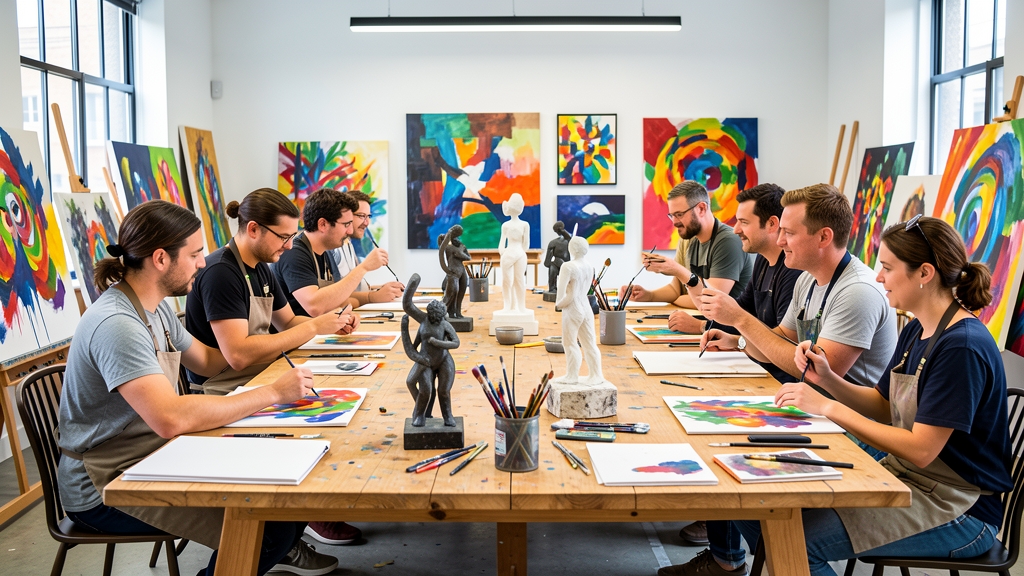
Remote teams are now editing motion projects together in real time, much like a live jam session. Cloud‑based composition tools let multiple artists adjust keyframes, swap assets, and give instant feedback without version‑control headaches.
This collaborative rhythm accelerates production cycles, especially for global agencies handling multiple time zones. The ability to see changes instantly also fosters a more experimental mindset, encouraging bold visual choices.
Kinetic Typography Evolution
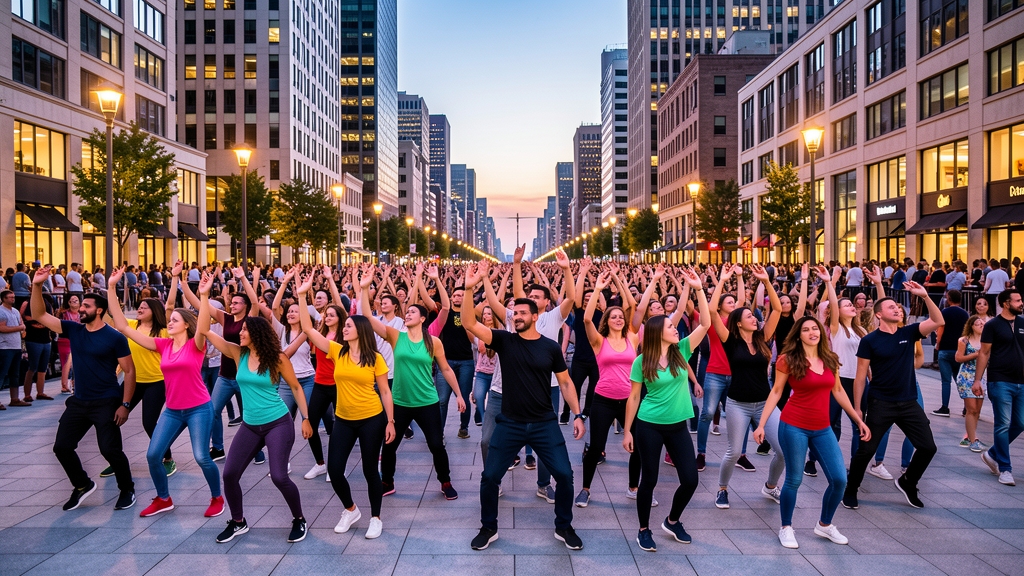
Typography is taking on a kinetic life of its own, moving beyond simple reveals to become narrative characters. Variable fonts now respond to audio beats, user scroll, or even biometric data, creating a personalized rhythm for each viewer.
The trend leans into expressive letterforms that stretch, compress, and dissolve in sync with storytelling beats, making the message feel like a living organism rather than static text.
Mixed Media Collage Motion
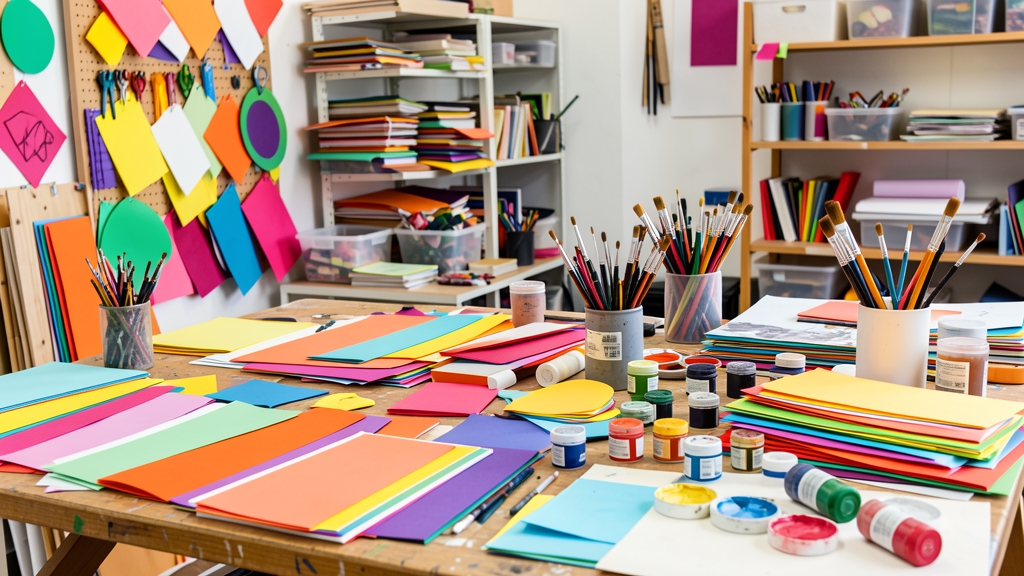
Analog textures are being digitized and animated, merging hand‑drawn sketches, paper cut‑outs, and painted elements with fluid motion. This hybrid approach adds tactile authenticity that resonates with audiences craving genuine, human‑made visuals.
By layering these elements in a digital space, designers create depth and surprise, as objects appear to pop out of the screen or flutter like real paper in the wind, blurring the line between the physical and virtual.
Interactive Storytelling with AR
Augmented reality is becoming a storytelling canvas where motion graphics interact directly with the viewer’s environment. Brands are embedding animated characters into real‑world spaces, allowing users to walk around, trigger actions, and even co‑create narratives.
These AR experiences extend beyond smartphones to smart glasses, making the motion graphics feel like a seamless extension of daily life, and opening new avenues for experiential marketing.
Minimalist Looping GIFs
In a world of short attention spans, concise loops are gaining traction. Minimalist GIFs that repeat seamlessly are used as micro‑animations on websites, social feeds, and messaging apps, delivering quick visual cues without demanding full video playback.
The design focus is on clean lines, subtle motion, and purposeful repetition, turning a simple loop into a brand signature that can be instantly recognized across platforms.
Staying current with these motion graphics trends will empower your brand to capture attention and tell compelling stories in 2026. Ready to bring these ideas to life? Explore DesignStager’s AI‑powered tools and start creating next‑level motion experiences today.