
Imagine finishing a complex video project in half the time while still delivering cinematic quality. Thanks to artificial intelligence, that vision is becoming a reality for editors, marketers, and storytellers worldwide. In this post, we explore the ways AI is reshaping video editing, from automated cuts to intelligent color grading, and what it means for creative professionals today.
The Evolution of Video Editing
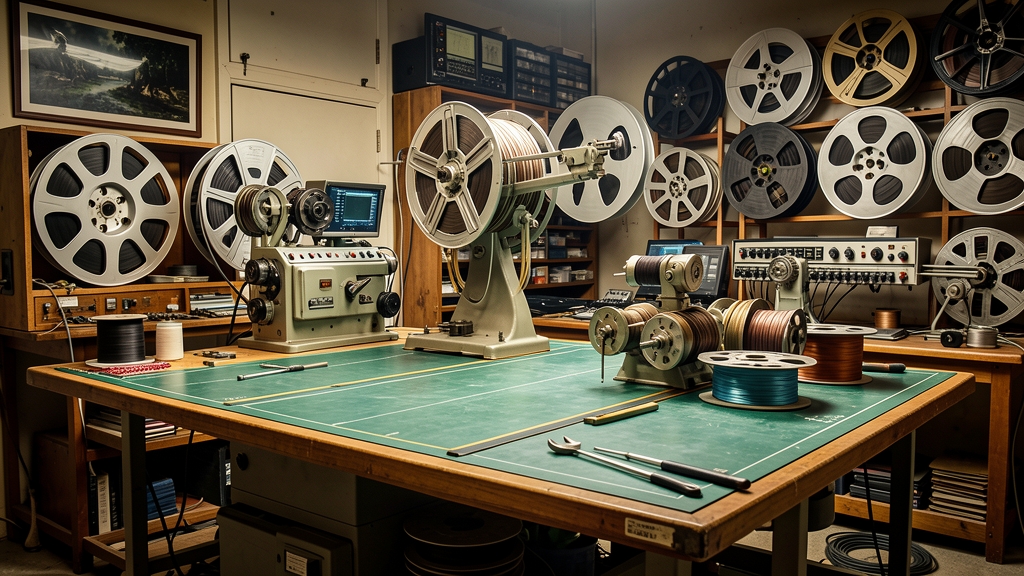
Traditional video editing began with physical film strips, scissors, and painstaking manual splicing. Over the decades, non‑linear editing software replaced those cumbersome tools, giving editors the freedom to rearrange clips with a click. Yet, even modern NLEs still rely heavily on human intuition and repetitive tasks.
Enter AI, which builds on this legacy by learning patterns from countless hours of footage. By analyzing pacing, visual cues, and narrative structures, AI can suggest edits that once required seasoned editors, dramatically accelerating the early stages of post‑production.
AI-Powered Automated Cutting

One of the most time‑consuming steps in editing is selecting the best takes. AI algorithms now scan raw footage, detect speech, motion, and facial expressions, and automatically flag the most compelling moments. This reduces the manual slog of scrubbing through hours of video.
Beyond simple clipping, advanced models can recognize scene transitions, match beats to music, and even generate rough cuts that follow a predefined storyline, giving editors a solid foundation to refine.
Smart Color Grading and Enhancement
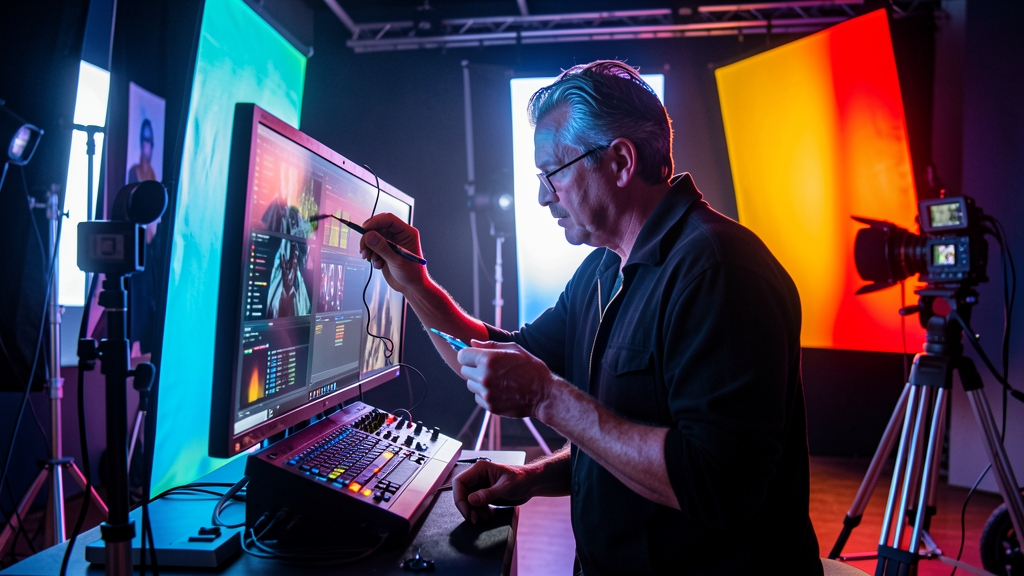
Color grading has traditionally required a keen eye and extensive trial‑and‑error. AI-driven tools analyze the lighting conditions of each shot and suggest balanced color palettes that maintain visual continuity across scenes.
These systems also enhance underexposed footage, remove color casts, and apply cinematic looks with a single click, allowing creators to achieve professional results without a dedicated colorist.
Intelligent Audio Cleanup
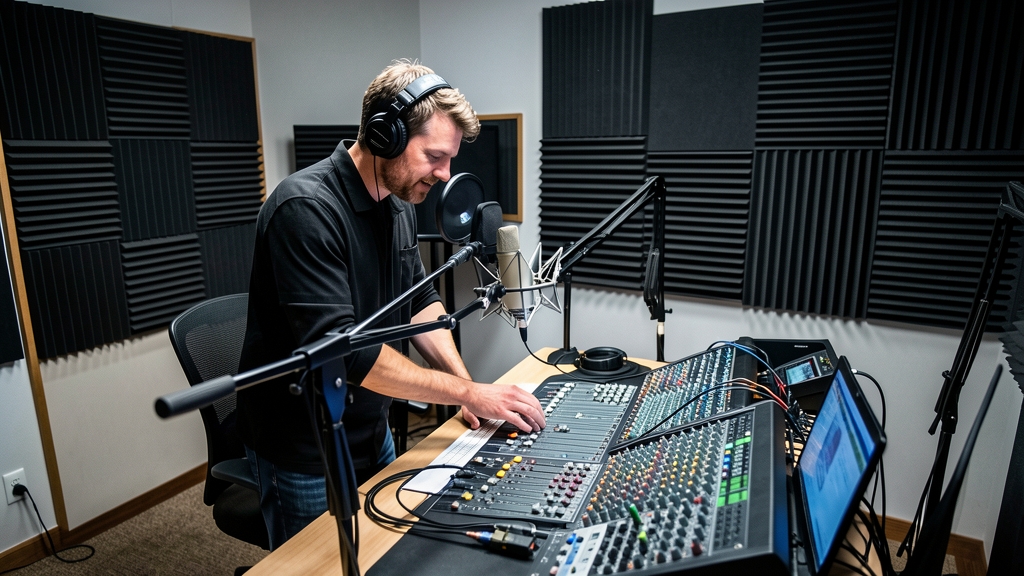
Audio quality can make or break a video, yet cleaning background noise and balancing levels is labor‑intensive. AI audio processors now isolate speech, suppress unwanted sounds, and normalize volumes across tracks automatically.
By learning the acoustic profile of a recording environment, these tools can restore clarity to dialogue captured in noisy locations, ensuring the final product sounds as polished as it looks.
AI-Driven Storytelling and Scene Selection
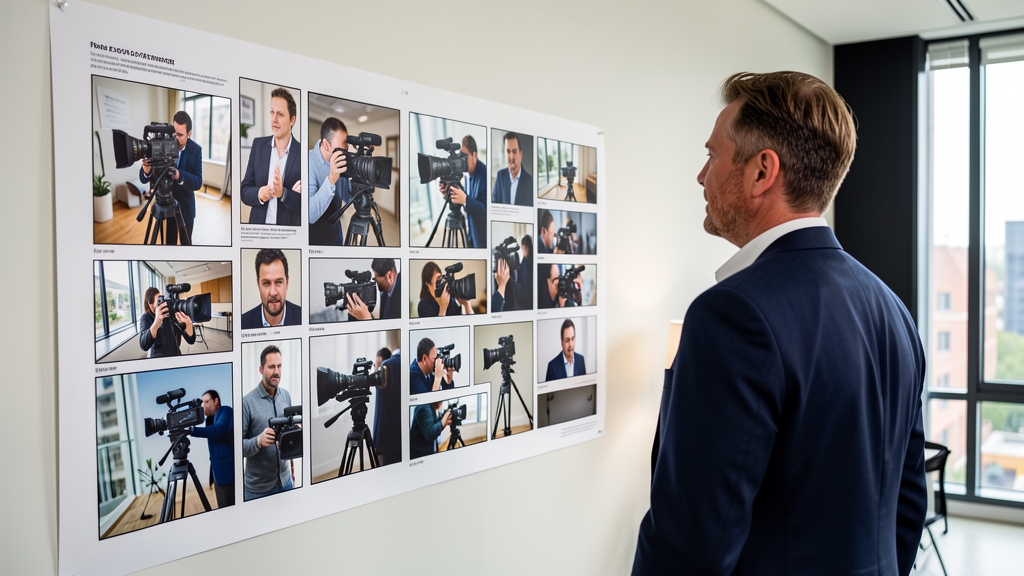
Beyond technical assistance, AI can assist with narrative decisions. By evaluating emotional cues, facial expressions, and plot arcs, AI suggests which scenes best convey the intended message or mood.
This capability is especially valuable for marketers who need to craft concise brand stories from hours of event footage, turning raw material into compelling, on‑brand videos in minutes.
Real-Time Collaboration with AI Assistants

Modern production teams often work across continents. AI assistants integrated into collaborative platforms can annotate timelines, recommend edits, and sync changes in real time, keeping everyone aligned.
These assistants also learn each team member’s preferences, offering personalized suggestions that speed up decision‑making and reduce version fatigue.
Ethical Considerations and Creative Ownership
As AI takes on more creative responsibilities, questions arise about authorship and authenticity. Who owns a cut generated by an algorithm? How do we ensure AI doesn’t reinforce biases present in training data?
Transparent workflows, clear attribution, and human oversight remain essential to balance efficiency with artistic integrity, especially in industries where brand voice matters.
Future Trends and What Designers Should Expect
Looking ahead, AI will likely move from assistance to co‑creation, generating entire video drafts from simple prompts. Integration with AR/VR and interactive media will open new storytelling dimensions, while real‑time AI rendering could eliminate the need for extensive post‑production.
Designers who embrace these tools now will stay ahead of the curve, leveraging AI to focus on higher‑level creative decisions rather than repetitive tasks.
AI is no longer a futuristic concept—it’s reshaping video editing today, offering faster workflows, smarter creativity, and new possibilities for storytellers. Ready to harness AI for your next project? Explore DesignStager’s AI‑powered design suite and elevate your video productions with cutting‑edge technology.
References & Further Reading
- Video editing – Wikipedia — Wikipedia
Overview of video editing techniques and the integration of AI technologies. - How AI Is Revolutionizing Video Editing — Forbes
Explores how AI automates cutting and boosts efficiency for creators. - The Best AI Video Editing Tools for 2024 — HubSpot
Highlights AI-driven tools for smart color grading and visual enhancement. - AI-powered video editing platforms are changing the game — TechCrunch
Discusses AI-powered audio cleanup and real-time collaboration features. - AI advances reshape video storytelling at Harvard — Harvard Gazette
Examines research on AI-driven storytelling and scene selection.