
In a world where every slide can sway opinions, the debate rages: can artificial intelligence truly out‑design a seasoned human creator, or does the human touch remain irreplaceable? As businesses scramble for faster, more persuasive decks, understanding the strengths and limits of both AI and human designers becomes essential. This guide breaks down the competition, helping you decide which approach—or blend—delivers the most impactful presentations.
Understanding the Role of AI in Presentation Design

AI‑driven tools analyze vast libraries of successful slides, extracting patterns in layout, color harmony, and typography. By applying these insights, they can auto‑generate decks that adhere to brand guidelines and visual best practices, often in a fraction of the time a human would need. The algorithms continuously learn from user feedback, refining recommendations to suit specific industries or audience types.
Beyond basic formatting, modern AI can suggest relevant imagery, craft concise bullet points, and even propose narrative arcs based on the content you provide. This data‑centric approach ensures consistency and reduces the risk of human error, making AI a powerful ally for repetitive or large‑scale projects.
Human Creativity and Emotional Intelligence
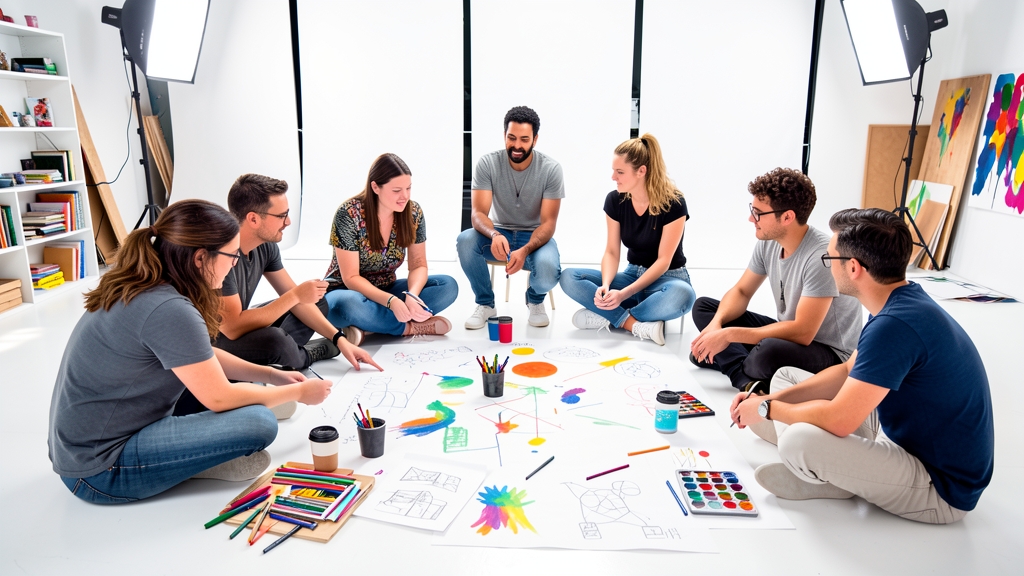
Human designers bring intuition, cultural nuance, and emotional resonance that algorithms still struggle to replicate. They can read the subtle cues of a target audience, tailoring tone, humor, and visual metaphors that strike a chord. This empathetic layer often transforms a bland deck into a memorable story that persuades and inspires.
Moreover, designers draw from lived experiences, allowing them to innovate beyond established templates. Whether it’s a bold typographic experiment or a daring color splash, the human mind can break conventions to capture attention, something AI typically avoids to stay within safe parameters.
Speed and Efficiency: AI’s Advantage
When deadlines loom, AI shines. With a few clicks, it can populate an entire slide deck, auto‑adjust layouts, and ensure every element aligns perfectly. This rapid turnaround is especially valuable for sales teams needing personalized pitches at scale or for marketers updating campaigns across multiple regions.
Automation also minimizes repetitive tasks like resizing images or re‑formatting text, freeing designers to focus on higher‑level strategy. In environments where time equals revenue, the speed advantage of AI can translate directly into competitive advantage.
Personalization and Storytelling: The Human Edge
Storytelling thrives on nuance—subtle pauses, rhetorical questions, and visual symbolism that resonate uniquely with each audience. Human designers excel at weaving these elements together, crafting a narrative flow that feels organic rather than algorithmic.
They can also adapt content on the fly, responding to live feedback or shifting business priorities. This adaptability ensures that the final presentation not only looks polished but also feels deeply relevant, fostering stronger connections and higher conversion rates.
Collaboration: Merging AI Power with Human Insight
The most effective presentations often emerge from a partnership between AI tools and human expertise. Designers can leverage AI to generate a solid structural foundation, then inject personality, strategic nuance, and brand storytelling into the mix.
This collaborative workflow accelerates production while preserving the creative spark that only humans can provide. By treating AI as a co‑pilot rather than a replacement, teams can achieve both speed and depth, delivering decks that are both data‑driven and emotionally compelling.
Future Outlook: The Evolving Landscape of Presentation Design
As AI continues to mature, its capabilities will expand beyond template generation to deeper content synthesis, predictive audience analysis, and even real‑time slide adaptation during live presentations. Yet, the demand for authentic human storytelling will remain, ensuring designers stay at the helm of strategic direction.
Preparing for this hybrid future means upskilling—learning how to harness AI efficiently while sharpening the uniquely human skills of empathy, creativity, and narrative craft. Those who master both realms will set the standard for next‑generation presentations.
Whether you favor the lightning‑fast precision of AI or the soulful nuance of human designers, the best presentations often blend both strengths. At DesignStager, we empower you to combine AI‑enhanced efficiency with your creative vision, delivering decks that captivate and convert. Ready to elevate your next presentation? Try DesignStager today and experience the future of design collaboration.
References & Further Reading
- Artificial intelligence — Wikipedia
An overview of AI technologies and their applications, including design. - The Rise Of AI-Powered Presentation Tools — Forbes
Explores how AI is transforming the creation of presentation slides. - Why Human Creativity Still Matters in Marketing Design — HubSpot
Discusses the unique value of human creativity and emotional insight in design. - AI can create slides in seconds, but does it work? — TechCrunch
Analyzes the speed and efficiency advantages of AI-driven presentation software. - Emotional Intelligence in Design Thinking — Harvard University
Examines how emotional intelligence influences design decisions and user engagement.