
In a world flooded with digital ads, a well‑designed flyer can still cut through the noise and drive real results for businesses. Whether you’re promoting a grand opening, a seasonal sale, or a community event, mastering flyer design is a powerful way to capture attention and convert interest into action.
Understand Your Audience

Before you pick a color or a font, ask yourself who will be reading the flyer. Different demographics respond to distinct visual cues; a youthful crowd may gravitate toward bold, playful graphics, while corporate clients often prefer clean lines and restrained palettes.
Research your target market’s preferences, habits, and pain points, then weave those insights into every design decision. When the message feels personal, the flyer becomes a conversation starter rather than a discarded handout.
Choose the Right Size and Format

The physical dimensions of a flyer dictate how it’s perceived and where it can be displayed. Standard sizes like A5 or 8.5×11 inches are cost‑effective and fit most distribution channels, but custom shapes can create a memorable tactile experience.
Consider the venue—whether the flyer will be handed out at a trade show, slipped into a mailbox, or posted on a community board. Matching size to context ensures the flyer is both functional and eye‑catching.
Craft a Clear and Compelling Message
Clarity trumps creativity when it comes to the core copy. Lead with a headline that instantly conveys the benefit, followed by concise supporting details that answer the who, what, when, where, and why.
Use active verbs and limit jargon. A well‑structured hierarchy—headline, sub‑headline, body, and contact information—guides the reader’s eye and makes the call‑to‑action unavoidable.
Use Eye‑Catching Typography

Typography is the visual voice of your flyer. Pair a bold headline font with a legible body type to create contrast without chaos. Limit the design to two or three typefaces to maintain visual harmony.
Play with size, weight, and spacing to emphasize key information. Remember, a readable flyer at a distance can spark curiosity, prompting a closer look.
Leverage Color Psychology
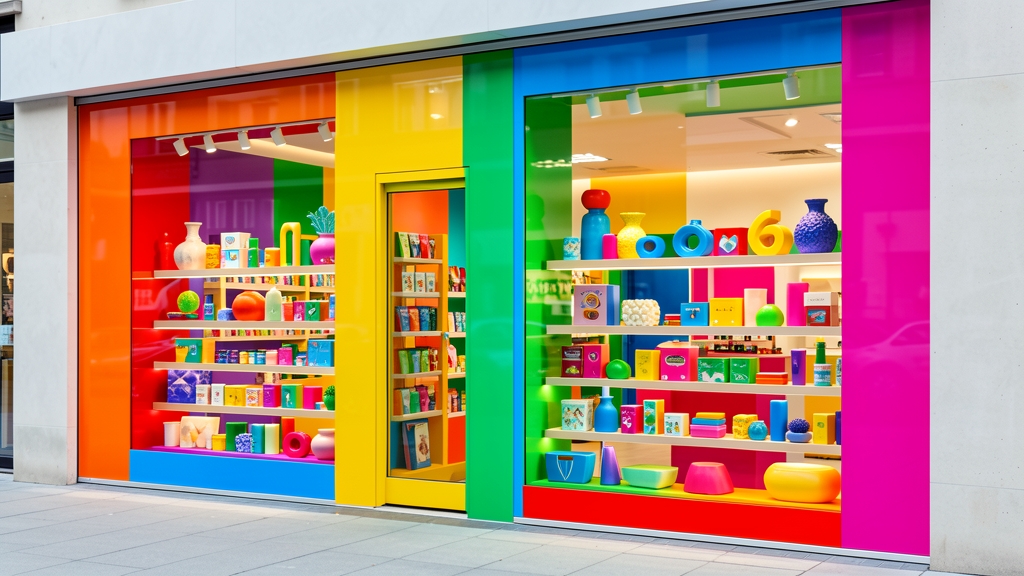
Colors evoke emotions and can influence purchasing decisions. Warm hues like red and orange generate urgency, while cool blues and greens convey trust and stability. Align your palette with the brand personality and the flyer’s purpose.
Use a dominant color for the background, a complementary shade for accents, and a contrasting hue for the call‑to‑action button. Consistency across all marketing assets reinforces brand recognition.
Incorporate Strong Visuals

High‑resolution images or illustrations add credibility and draw the eye. Choose visuals that directly support the message—showcase the product in use, highlight a happy customer, or depict the event atmosphere.
Maintain a balance between imagery and white space. Overcrowding dilutes impact, while strategic placement of a striking visual can become the flyer’s focal point.
Maintain Brand Consistency
Every flyer should feel like an extension of your overall brand identity. Use the same logo placement, color scheme, and tone of voice that appear on your website, social media, and other print collateral.
Consistency builds trust; when customers see familiar elements, they instantly associate the flyer with the brand’s reputation and values.
Add a Persuasive Call‑to‑Action
The final step is to tell the reader exactly what to do next. Whether it’s “Visit our store today,” “Redeem this coupon online,” or “Call now for a free quote,” the CTA should be bold, concise, and positioned where the eye naturally lands.
Include a deadline or limited‑time offer to create urgency, and make sure contact details are unmistakably clear. A strong CTA turns curiosity into measurable results.
Ready to transform your ideas into flyers that sell? Let DesignStager’s AI‑powered tools handle the heavy lifting while you focus on your message. Try our platform today and see how effortless professional flyer design can be.
References & Further Reading
- Flyer (advertising) — Wikipedia
Overview of flyers as a marketing tool and design considerations.